Buy hochbetten.eu ?
We are moving the project
hochbetten.eu .
Are you interested in purchasing the domain
hochbetten.eu ?
domain@kv-gmbh.de · 0541-91531010
Buy hochbetten.eu ?
How does buoyancy work in space?
Buoyancy in space works differently than on Earth because there is no gravity to create the upward force. In microgravity environments, objects appear to be weightless and do not experience the same buoyant forces as they would in a fluid on Earth. However, in a spacecraft or space station, air circulation and ventilation systems can create air currents that can affect the movement of objects, creating a form of "buoyancy" in the absence of gravity. Additionally, the concept of buoyancy is still relevant in the design and operation of spacecraft and space equipment, as engineers must account for the effects of microgravity on the behavior of fluids and gases. **
What is buoyancy?
Buoyancy is the ability of an object to float in a fluid, typically water or air. It is determined by the relationship between the object's weight and the amount of fluid it displaces. If an object is less dense than the fluid it is in, it will float, while if it is more dense, it will sink. Buoyancy is what allows boats and ships to float on water and hot air balloons to rise in the air. **

Similar search terms for Buoyancy
Top-Angebote
Products related to Buoyancy:
-
Drop Dash Deals Heavy Duty Wall Mounted Loft Ladder For RV Bunks Attics And Space Saving Access Heavy Duty Wall Mounted Loft Ladder For RV Bunks Attics And Space Saving AccessCreate safer and easier access to elevated spaces with this 2 pc of wall mounted ladder designed for modern homes, RVs, lofts, and bunk setups. Built from durable metal, it offers dependable stability while helping you maximize vertical space...159,97 $*Shipping: 0,00 $Secure redirect to the provider
-
Perfect Picks Market Black Adjustable Bathroom Wrench Space Saving & Multi Functional blackLooking for an easy solution to save space and enhance your bathroom tools The Black Adjustable Bathroom Wrench is the perfect fit for those who want efficiency and convenience in one. With an adjustable range from 1668mm, this spacesaving tool is...39,97 $*Shipping: 0,00 $Secure redirect to the provider
-
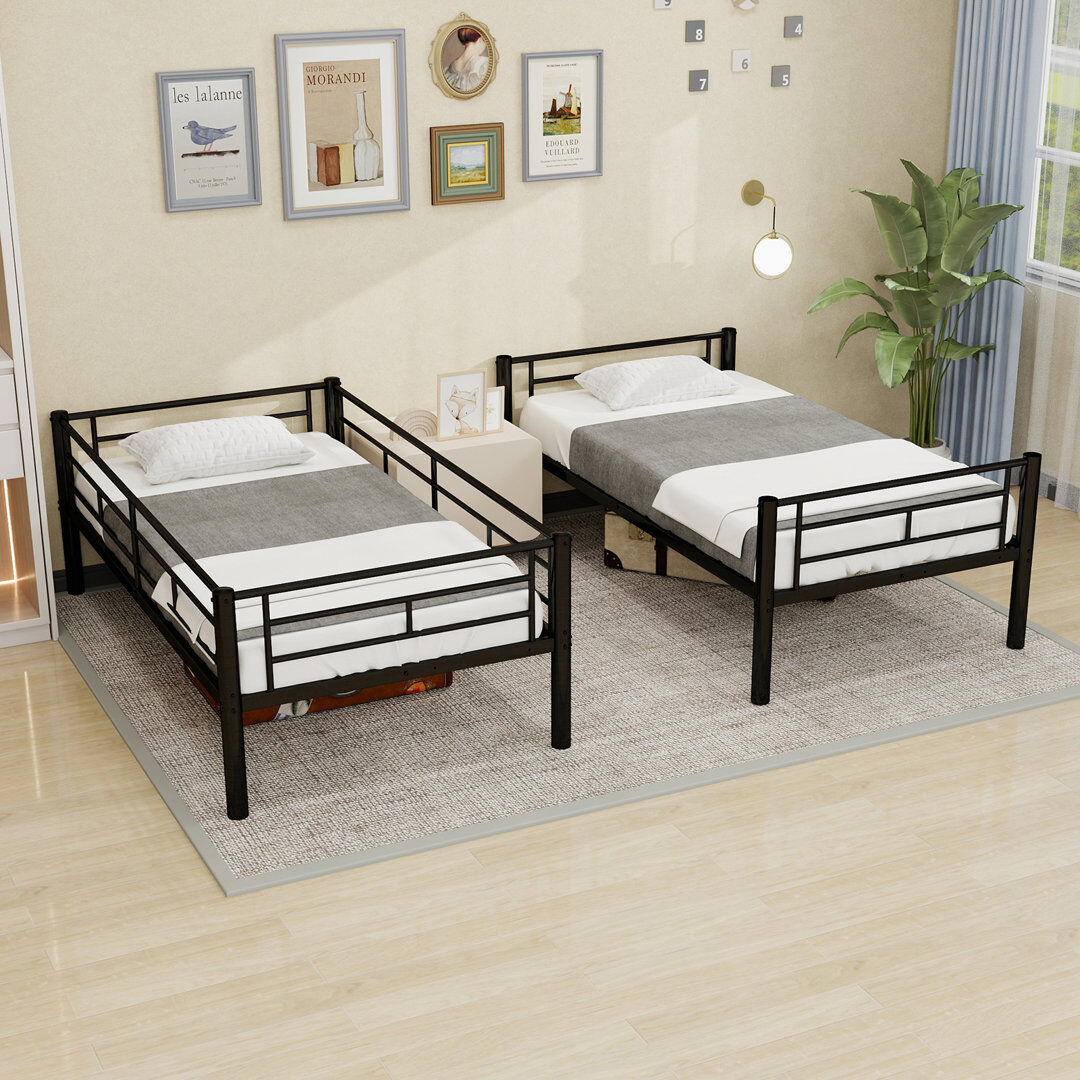
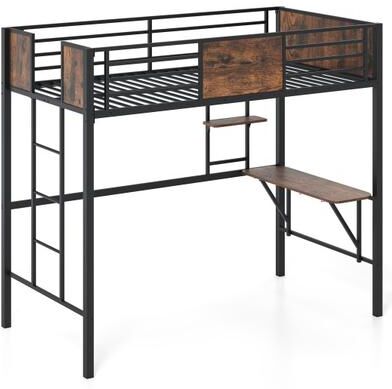
Isabelle & Max Single(3') Bunk Bed, Single Over Single Loft Bed Frame With Ladder And Safety Guardrail, Home Bedroom Dormitory Space-Saving Twin High Sleeper Beds BlackThis minimalist yet modern bunk bed is a modern classic, featuring a streamlined steel frame and a striking finish. The bunk bed's reliable support structure is durable and quality-tested to eliminate rocking while enhancing stability and durability for a restful night's sleep. Brand Name: Isabelle & Max.179,99 £*Shipping: 19,99 £Secure redirect to the provider


-
What is buoyancy 2?
Buoyancy 2 refers to the ability of an object to float or be supported by a fluid, typically water. It is determined by the relationship between the weight of the object and the upward force exerted by the fluid it is submerged in. If the object is less dense than the fluid, it will float; if it is more dense, it will sink. Buoyancy 2 plays a crucial role in various fields such as engineering, naval architecture, and physics. **
-
What is buoyancy in physics?
Buoyancy in physics refers to the upward force exerted by a fluid that opposes the weight of an object immersed in it. This force is a result of the pressure difference between the top and bottom of the object. Objects will float if their weight is less than the buoyant force acting on them, and sink if their weight is greater. Buoyancy plays a crucial role in determining whether objects float or sink in fluids such as water. **
-
What does buoyancy depend on?
Buoyancy depends on the density of the fluid and the volume of the object submerged in the fluid. When an object is placed in a fluid, the fluid exerts an upward force on the object, which is known as the buoyant force. This force is equal to the weight of the fluid displaced by the object. Therefore, the buoyancy of an object depends on the density of the fluid and the volume of the object, as these factors determine the amount of fluid displaced and the buoyant force exerted on the object. **
-
How is buoyancy calculated in physics?
Buoyancy is calculated in physics using Archimedes' principle, which states that the buoyant force acting on an object immersed in a fluid is equal to the weight of the fluid displaced by the object. The buoyant force can be calculated by multiplying the density of the fluid, the acceleration due to gravity, and the volume of the fluid displaced by the object. By comparing the buoyant force to the weight of the object, one can determine whether the object will float, sink, or remain suspended in the fluid. **


How is buoyancy created in water?
Buoyancy in water is created by the upward force exerted by the water on an object placed in it. This force is known as the buoyant force and is a result of the pressure difference between the top and bottom of the submerged object. The pressure at the bottom of the object is higher than at the top, causing a net upward force. This buoyant force is equal to the weight of the water displaced by the object, allowing it to float or be pushed upward when submerged. **
What is the law of buoyancy?
The law of buoyancy, also known as Archimedes' principle, states that an object immersed in a fluid experiences an upward force equal to the weight of the fluid it displaces. This means that an object will float if it is less dense than the fluid it is immersed in, and it will sink if it is more dense. The buoyant force is what allows objects to float in water and is the reason why ships and other heavy objects can stay afloat. **
Top-Angebote
Products related to Buoyancy:
-
Isabelle & Max Metal Bunk Bed,Space Saving Bed Frame BlackStable load-bearing capacity, safe and secureAdopting a thickened steel pipe frame and reinforced bed support structure, the upper bunk can bear up to 200kg of weight, and the lower bunk can bear up to 250kg of weight. There are raised guardrails around to prevent falling during sleep, and the ladder is designed with anti slip pedals for safer access to and from the bed. Brand Name: Isabelle & Max.309,99 £*Shipping: 0,00 £Secure redirect to the provider
-
Rare Purchases Multi Functional Caulking Tools Set, Space Saving And Convenient To Use Multi Functional Caulking Tools Set, Space Saving And Convenient To UseUpgrade your home improvement toolkit with this 4 pc set of caulking tools, specifically designed to make your sealing projects quicker, cleaner, and more efficient. This multifunctional tool set is the ultimate solution for anyone looking to...49,97 $*Shipping: 0,00 $Secure redirect to the provider
-
Drop Dash Deals Heavy Duty Wall Mounted Loft Ladder For RV Bunks Attics And Space Saving Access Heavy Duty Wall Mounted Loft Ladder For RV Bunks Attics And Space Saving AccessCreate safer and easier access to elevated spaces with this 2 pc of wall mounted ladder designed for modern homes, RVs, lofts, and bunk setups. Built from durable metal, it offers dependable stability while helping you maximize vertical space...159,97 $*Shipping: 0,00 $Secure redirect to the provider
-
How does buoyancy work in space?
Buoyancy in space works differently than on Earth because there is no gravity to create the upward force. In microgravity environments, objects appear to be weightless and do not experience the same buoyant forces as they would in a fluid on Earth. However, in a spacecraft or space station, air circulation and ventilation systems can create air currents that can affect the movement of objects, creating a form of "buoyancy" in the absence of gravity. Additionally, the concept of buoyancy is still relevant in the design and operation of spacecraft and space equipment, as engineers must account for the effects of microgravity on the behavior of fluids and gases. **
-
What is buoyancy?
Buoyancy is the ability of an object to float in a fluid, typically water or air. It is determined by the relationship between the object's weight and the amount of fluid it displaces. If an object is less dense than the fluid it is in, it will float, while if it is more dense, it will sink. Buoyancy is what allows boats and ships to float on water and hot air balloons to rise in the air. **
-
What is buoyancy 2?
Buoyancy 2 refers to the ability of an object to float or be supported by a fluid, typically water. It is determined by the relationship between the weight of the object and the upward force exerted by the fluid it is submerged in. If the object is less dense than the fluid, it will float; if it is more dense, it will sink. Buoyancy 2 plays a crucial role in various fields such as engineering, naval architecture, and physics. **
-
What is buoyancy in physics?
Buoyancy in physics refers to the upward force exerted by a fluid that opposes the weight of an object immersed in it. This force is a result of the pressure difference between the top and bottom of the object. Objects will float if their weight is less than the buoyant force acting on them, and sink if their weight is greater. Buoyancy plays a crucial role in determining whether objects float or sink in fluids such as water. **
Similar search terms for Buoyancy
-
Perfect Picks Market Black Adjustable Bathroom Wrench Space Saving & Multi Functional blackLooking for an easy solution to save space and enhance your bathroom tools The Black Adjustable Bathroom Wrench is the perfect fit for those who want efficiency and convenience in one. With an adjustable range from 1668mm, this spacesaving tool is...39,97 $*Shipping: 0,00 $Secure redirect to the provider
-
Isabelle & Max Single(3') Bunk Bed, Single Over Single Loft Bed Frame With Ladder And Safety Guardrail, Home Bedroom Dormitory Space-Saving Twin High Sleeper Beds BlackThis minimalist yet modern bunk bed is a modern classic, featuring a streamlined steel frame and a striking finish. The bunk bed's reliable support structure is durable and quality-tested to eliminate rocking while enhancing stability and durability for a restful night's sleep. Brand Name: Isabelle & Max.179,99 £*Shipping: 19,99 £Secure redirect to the provider
-
Kodotan sofa Twin over Full Bunk Bed, Metal Bunk Bed with Storage Shelves and Lights, Space-saving & Noise-free Design, BlackDescription Maximize both space and function with this Twin Over Full Metal Bunk Bed, designed for modern families, shared rooms, or guest spaces.569,99 $*Shipping: 0,00 $Secure redirect to the provider
-
Value Selection Ajax Steel Ladder Bookcase Space Saving Modern Vertical Bookshelf Ajax Steel Ladder Bookcase Space Saving Modern Vertical BookshelfBring comfort and convenience to every page. This natural bamboo book stand keeps cookbooks, textbooks, sheet music, and tablets comfortably positioned for handsfree use. Its five adjustable viewing angles make reading, studying, cooking, or...509,97 $*Shipping: 0,00 $Secure redirect to the provider
-
What does buoyancy depend on?
Buoyancy depends on the density of the fluid and the volume of the object submerged in the fluid. When an object is placed in a fluid, the fluid exerts an upward force on the object, which is known as the buoyant force. This force is equal to the weight of the fluid displaced by the object. Therefore, the buoyancy of an object depends on the density of the fluid and the volume of the object, as these factors determine the amount of fluid displaced and the buoyant force exerted on the object. **
-
How is buoyancy calculated in physics?
Buoyancy is calculated in physics using Archimedes' principle, which states that the buoyant force acting on an object immersed in a fluid is equal to the weight of the fluid displaced by the object. The buoyant force can be calculated by multiplying the density of the fluid, the acceleration due to gravity, and the volume of the fluid displaced by the object. By comparing the buoyant force to the weight of the object, one can determine whether the object will float, sink, or remain suspended in the fluid. **
-
How is buoyancy created in water?
Buoyancy in water is created by the upward force exerted by the water on an object placed in it. This force is known as the buoyant force and is a result of the pressure difference between the top and bottom of the submerged object. The pressure at the bottom of the object is higher than at the top, causing a net upward force. This buoyant force is equal to the weight of the water displaced by the object, allowing it to float or be pushed upward when submerged. **
-
What is the law of buoyancy?
The law of buoyancy, also known as Archimedes' principle, states that an object immersed in a fluid experiences an upward force equal to the weight of the fluid it displaces. This means that an object will float if it is less dense than the fluid it is immersed in, and it will sink if it is more dense. The buoyant force is what allows objects to float in water and is the reason why ships and other heavy objects can stay afloat. **
* All prices are inclusive of VAT and, if applicable, plus shipping costs. The offer information is based on the details provided by the respective shop and is updated through automated processes. Real-time updates do not occur, so deviations can occur in individual cases. ** Note: Parts of this content were created by AI.