Buy hochbetten.eu ?
We are moving the project
hochbetten.eu .
Are you interested in purchasing the domain
hochbetten.eu ?
domain@kv-gmbh.de · 0541-91531010
Buy hochbetten.eu ?
How does nutrition and digestion occur in paramecia?
Paramecia obtain nutrition through phagocytosis, where they engulf food particles such as bacteria or algae using their cilia. Once the food particles are inside the paramecium, they are enclosed in a food vacuole. Digestive enzymes are then secreted into the food vacuole to break down the food particles into smaller molecules. These nutrients are then absorbed by the paramecium for energy and growth. Any undigested material is expelled from the cell through a process called exocytosis. **
Are paramecia animal or plant single-celled organisms?
Paramecia are single-celled organisms that belong to the kingdom Protista. They are considered to be animal-like protists because they are heterotrophic, meaning they obtain their nutrients by ingesting other organisms. Paramecia are not considered to be plants because they do not perform photosynthesis and do not have cell walls made of cellulose. Instead, they have cilia for movement and feed on bacteria and other small organisms. **

Similar search terms for Paramecia
Top-Angebote
Products related to Paramecia:
-
Drop Dash Deals Heavy Duty Wall Mounted Loft Ladder For RV Bunks Attics And Space Saving Access Heavy Duty Wall Mounted Loft Ladder For RV Bunks Attics And Space Saving AccessCreate safer and easier access to elevated spaces with this 2 pc of wall mounted ladder designed for modern homes, RVs, lofts, and bunk setups. Built from durable metal, it offers dependable stability while helping you maximize vertical space...159,97 $*Shipping: 0,00 $Secure redirect to the provider
-
Perfect Picks Market Black Adjustable Bathroom Wrench Space Saving & Multi Functional blackLooking for an easy solution to save space and enhance your bathroom tools The Black Adjustable Bathroom Wrench is the perfect fit for those who want efficiency and convenience in one. With an adjustable range from 1668mm, this spacesaving tool is...39,97 $*Shipping: 0,00 $Secure redirect to the provider
-
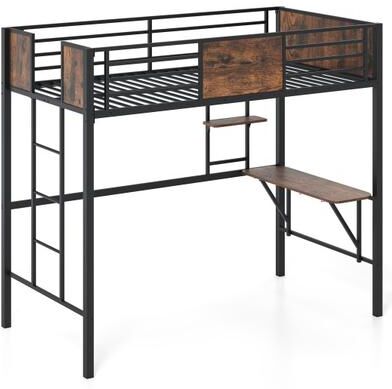
Isabelle & Max Single(3') Bunk Bed, Single Over Single Loft Bed Frame With Ladder And Safety Guardrail, Home Bedroom Dormitory Space-Saving Twin High Sleeper Beds BlackThis minimalist yet modern bunk bed is a modern classic, featuring a streamlined steel frame and a striking finish. The bunk bed's reliable support structure is durable and quality-tested to eliminate rocking while enhancing stability and durability for a restful night's sleep. Brand Name: Isabelle & Max.183,99 £*Shipping: 19,99 £Secure redirect to the provider


-
What does the competition look like for paramecia?
The competition for paramecia is primarily with other microorganisms in their environment, such as bacteria and other protozoa. They compete for resources such as food and living space. Paramecia use their cilia to move and feed on bacteria and other small organisms, and they also reproduce rapidly, allowing them to outcompete other microorganisms for resources. Additionally, paramecia may also face competition from predators such as other protozoa, small crustaceans, and even some types of algae. **
-
What can be observed with a microscope in paramecia?
With a microscope, one can observe the cilia that paramecia use for movement, as well as their characteristic slipper-like shape. Additionally, the nucleus, contractile vacuoles, and food vacuoles within the paramecia can be seen under a microscope. Observing paramecia under a microscope can also reveal their feeding behavior, as they engulf food particles through a process called phagocytosis. **
-
What is the ecology of paramecia and yeast cells?
Paramecia are single-celled organisms that are found in freshwater environments. They are heterotrophic, meaning they feed on bacteria and other small organisms. Paramecia play a role in the ecosystem by helping to control bacterial populations and serving as a food source for larger organisms. Yeast cells are also single-celled organisms that are found in various environments, including soil, plants, and the human body. They are important in the process of fermentation, which is used in the production of bread, beer, and wine. Yeast cells also play a role in the decomposition of organic matter and are a food source for other organisms in the ecosystem. **
-
How does the nutrition and digestion occur in paramecia?
Paramecia obtain nutrition through phagocytosis, where they engulf food particles such as bacteria, algae, and other organic matter. Once inside the cell, the food vacuole containing the engulfed particles fuses with lysosomes, where digestion occurs. Enzymes within the lysosomes break down the food particles into smaller molecules, which are then absorbed and utilized by the paramecium for energy and growth. Waste products are expelled from the cell through a specialized structure called the anal pore. **


Why do some paramecia not have a pulsating vacuole?
Some paramecia do not have a pulsating vacuole because they may live in environments with stable water conditions, such as freshwater ponds or slow-moving streams, where they do not need to actively regulate their water balance. Additionally, some species of paramecia may have evolved alternative mechanisms for maintaining water balance, such as specialized contractile vacuoles or other cellular structures. The absence of a pulsating vacuole in certain paramecia may also be a result of genetic variation and adaptation to specific ecological niches. **
Why do paramecia in the sea not have pulsating vacuoles?
Paramecia in the sea do not have pulsating vacuoles because they do not need them to regulate water balance. In a marine environment, the concentration of salt outside the cell is similar to that inside the cell, so there is no need for the paramecia to actively pump out excess water. Pulsating vacuoles are more commonly found in freshwater paramecia, where they help regulate water balance by pumping out excess water that enters the cell due to osmosis. **
Top-Angebote
Products related to Paramecia:
-
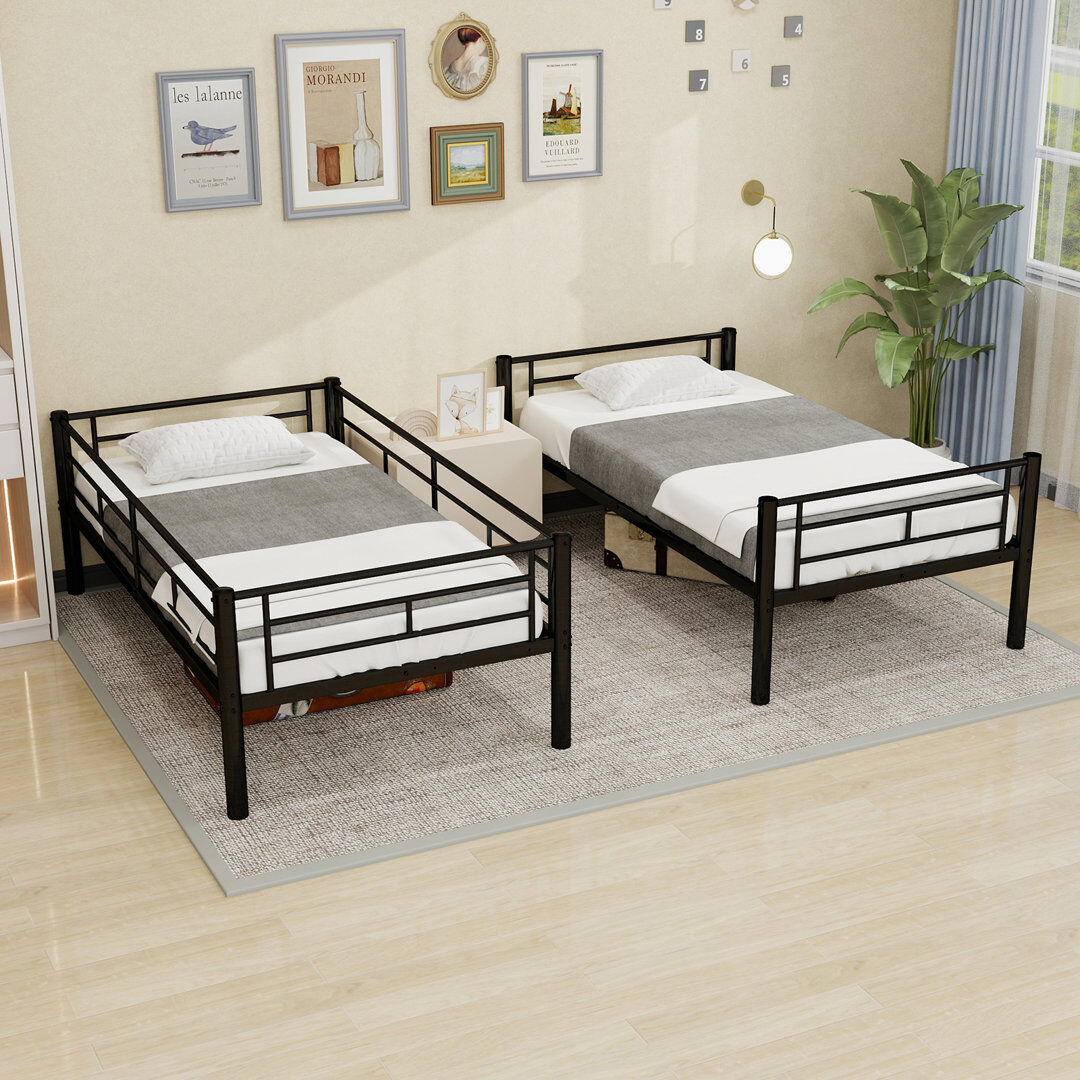
Isabelle & Max Metal Bunk Bed,Space Saving Bed Frame BlackStable load-bearing capacity, safe and secureAdopting a thickened steel pipe frame and reinforced bed support structure, the upper bunk can bear up to 200kg of weight, and the lower bunk can bear up to 250kg of weight. There are raised guardrails around to prevent falling during sleep, and the ladder is designed with anti slip pedals for safer access to and from the bed. Space saving design, adaptable to multiple scenariosThe bunk structure can accommodate 2 people for sleep, with sufficient storage space reserved at the bottom for storage boxes, suitcases, and other items. Especially suitable for small-sized bedrooms, student dormitories, staff apartments, and children's rooms, easily solving the problem of insufficient space.. Silent and slip resistant, enhance sleep experienceThere is an anti slip silent pad between the bed frame and the bed board, effectively reducing friction noise when turning over. The bed feet are equipped with anti slip foot pads to prevent the bed from sliding and protect the floor from scratches.. Simple and modern, versatile styleMatte black is a textured design with simple and clean lines, making it easy to match with various home styles such as Nordic, modern simplicity, and industrial style. Without the need for additional decoration, it can become a practical aesthetic in the room.. Quick assembly, paint free and environmentally friendlyAdopting a relaxed nut design, with detailed instructions and accessory kit, assembly can be completed in about 1-2 hours per person. The metal surface adopts environmentally friendly spray painting technology, with no odor or formaldehyde, and can be used with confidence after installation.. Brand Name: Isabelle & Max.309,99 £*Shipping: 0,00 £Secure redirect to the provider
-
Rare Purchases Multi Functional Caulking Tools Set, Space Saving And Convenient To Use Multi Functional Caulking Tools Set, Space Saving And Convenient To UseUpgrade your home improvement toolkit with this 4 pc set of caulking tools, specifically designed to make your sealing projects quicker, cleaner, and more efficient. This multifunctional tool set is the ultimate solution for anyone looking to...49,97 $*Shipping: 0,00 $Secure redirect to the provider
-
Drop Dash Deals Heavy Duty Wall Mounted Loft Ladder For RV Bunks Attics And Space Saving Access Heavy Duty Wall Mounted Loft Ladder For RV Bunks Attics And Space Saving AccessCreate safer and easier access to elevated spaces with this 2 pc of wall mounted ladder designed for modern homes, RVs, lofts, and bunk setups. Built from durable metal, it offers dependable stability while helping you maximize vertical space...159,97 $*Shipping: 0,00 $Secure redirect to the provider
-
How does nutrition and digestion occur in paramecia?
Paramecia obtain nutrition through phagocytosis, where they engulf food particles such as bacteria or algae using their cilia. Once the food particles are inside the paramecium, they are enclosed in a food vacuole. Digestive enzymes are then secreted into the food vacuole to break down the food particles into smaller molecules. These nutrients are then absorbed by the paramecium for energy and growth. Any undigested material is expelled from the cell through a process called exocytosis. **
-
Are paramecia animal or plant single-celled organisms?
Paramecia are single-celled organisms that belong to the kingdom Protista. They are considered to be animal-like protists because they are heterotrophic, meaning they obtain their nutrients by ingesting other organisms. Paramecia are not considered to be plants because they do not perform photosynthesis and do not have cell walls made of cellulose. Instead, they have cilia for movement and feed on bacteria and other small organisms. **
-
What does the competition look like for paramecia?
The competition for paramecia is primarily with other microorganisms in their environment, such as bacteria and other protozoa. They compete for resources such as food and living space. Paramecia use their cilia to move and feed on bacteria and other small organisms, and they also reproduce rapidly, allowing them to outcompete other microorganisms for resources. Additionally, paramecia may also face competition from predators such as other protozoa, small crustaceans, and even some types of algae. **
-
What can be observed with a microscope in paramecia?
With a microscope, one can observe the cilia that paramecia use for movement, as well as their characteristic slipper-like shape. Additionally, the nucleus, contractile vacuoles, and food vacuoles within the paramecia can be seen under a microscope. Observing paramecia under a microscope can also reveal their feeding behavior, as they engulf food particles through a process called phagocytosis. **
Similar search terms for Paramecia
-
Perfect Picks Market Black Adjustable Bathroom Wrench Space Saving & Multi Functional blackLooking for an easy solution to save space and enhance your bathroom tools The Black Adjustable Bathroom Wrench is the perfect fit for those who want efficiency and convenience in one. With an adjustable range from 1668mm, this spacesaving tool is...39,97 $*Shipping: 0,00 $Secure redirect to the provider
-
Isabelle & Max Single(3') Bunk Bed, Single Over Single Loft Bed Frame With Ladder And Safety Guardrail, Home Bedroom Dormitory Space-Saving Twin High Sleeper Beds BlackThis minimalist yet modern bunk bed is a modern classic, featuring a streamlined steel frame and a striking finish. The bunk bed's reliable support structure is durable and quality-tested to eliminate rocking while enhancing stability and durability for a restful night's sleep. Brand Name: Isabelle & Max.183,99 £*Shipping: 19,99 £Secure redirect to the provider
-
Kodotan sofa Twin over Full Bunk Bed, Metal Bunk Bed with Storage Shelves and Lights, Space-saving & Noise-free Design, BlackDescription Maximize both space and function with this Twin Over Full Metal Bunk Bed, designed for modern families, shared rooms, or guest spaces.569,99 $*Shipping: 0,00 $Secure redirect to the provider
-
Value Selection Ajax Steel Ladder Bookcase Space Saving Modern Vertical Bookshelf Ajax Steel Ladder Bookcase Space Saving Modern Vertical BookshelfBring comfort and convenience to every page. This natural bamboo book stand keeps cookbooks, textbooks, sheet music, and tablets comfortably positioned for handsfree use. Its five adjustable viewing angles make reading, studying, cooking, or...509,97 $*Shipping: 0,00 $Secure redirect to the provider
-
What is the ecology of paramecia and yeast cells?
Paramecia are single-celled organisms that are found in freshwater environments. They are heterotrophic, meaning they feed on bacteria and other small organisms. Paramecia play a role in the ecosystem by helping to control bacterial populations and serving as a food source for larger organisms. Yeast cells are also single-celled organisms that are found in various environments, including soil, plants, and the human body. They are important in the process of fermentation, which is used in the production of bread, beer, and wine. Yeast cells also play a role in the decomposition of organic matter and are a food source for other organisms in the ecosystem. **
-
How does the nutrition and digestion occur in paramecia?
Paramecia obtain nutrition through phagocytosis, where they engulf food particles such as bacteria, algae, and other organic matter. Once inside the cell, the food vacuole containing the engulfed particles fuses with lysosomes, where digestion occurs. Enzymes within the lysosomes break down the food particles into smaller molecules, which are then absorbed and utilized by the paramecium for energy and growth. Waste products are expelled from the cell through a specialized structure called the anal pore. **
-
Why do some paramecia not have a pulsating vacuole?
Some paramecia do not have a pulsating vacuole because they may live in environments with stable water conditions, such as freshwater ponds or slow-moving streams, where they do not need to actively regulate their water balance. Additionally, some species of paramecia may have evolved alternative mechanisms for maintaining water balance, such as specialized contractile vacuoles or other cellular structures. The absence of a pulsating vacuole in certain paramecia may also be a result of genetic variation and adaptation to specific ecological niches. **
-
Why do paramecia in the sea not have pulsating vacuoles?
Paramecia in the sea do not have pulsating vacuoles because they do not need them to regulate water balance. In a marine environment, the concentration of salt outside the cell is similar to that inside the cell, so there is no need for the paramecia to actively pump out excess water. Pulsating vacuoles are more commonly found in freshwater paramecia, where they help regulate water balance by pumping out excess water that enters the cell due to osmosis. **
* All prices are inclusive of VAT and, if applicable, plus shipping costs. The offer information is based on the details provided by the respective shop and is updated through automated processes. Real-time updates do not occur, so deviations can occur in individual cases. ** Note: Parts of this content were created by AI.