Buy hochbetten.eu ?
We are moving the project
hochbetten.eu .
Are you interested in purchasing the domain
hochbetten.eu ?
domain@kv-gmbh.de · 0541-91531010
Buy hochbetten.eu ?
What are organizational professions?
Organizational professions refer to careers that involve working within a structured environment, such as corporations, government agencies, or non-profit organizations. These professions typically require individuals to possess strong organizational skills, the ability to work well within a team, and a good understanding of how to navigate complex systems and hierarchies. Examples of organizational professions include management, human resources, finance, and administration. **
What are organizational elements?
Organizational elements refer to the fundamental components that make up an organization's structure and functioning. These elements can include the organization's mission, vision, goals, policies, procedures, culture, leadership, communication channels, and decision-making processes. They are essential for creating a framework that guides the organization's operations and helps it achieve its objectives. By understanding and effectively managing these elements, organizations can improve their performance and adapt to changes in their environment. **


Similar search terms for Organizational
Top-Angebote
Products related to Organizational:
-
Rare Purchases Multi Functional Caulking Tools Set, Space Saving And Convenient To Use Multi Functional Caulking Tools Set, Space Saving And Convenient To UseUpgrade your home improvement toolkit with this 4 pc set of caulking tools, specifically designed to make your sealing projects quicker, cleaner, and more efficient. This multifunctional tool set is the ultimate solution for anyone looking to...49,97 $*Shipping: 0,00 $Secure redirect to the provider
-
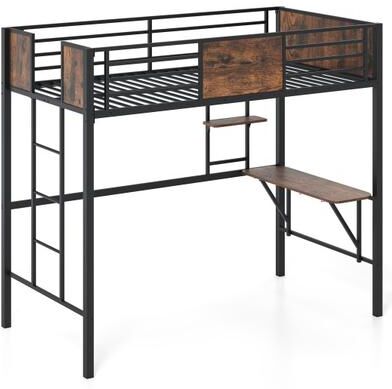
Isabelle & Max Single(3') Bunk Bed, Single Over Single Loft Bed Frame With Ladder And Safety Guardrail, Home Bedroom Dormitory Space-Saving Twin High Sleeper Beds BlackThis minimalist yet modern bunk bed is a modern classic, featuring a streamlined steel frame and a striking finish. The bunk bed's reliable support structure is durable and quality-tested to eliminate rocking while enhancing stability and durability for a restful night's sleep. Brand Name: Isabelle & Max.183,99 £*Shipping: 19,99 £Secure redirect to the provider
-
Uplifted Goods 360 Rotating 6 Claw Organizational Accessory Hub blackEstablish a high level of closet efficiency with this High Performance Vertical Space Optimization Interface. Engineered with a Reinforced Polymeric Structural Shield and a specialized sixprong claw frame, this hanger is designed to provide a...29,97 $*Shipping: 0,00 $Secure redirect to the provider



-
What are organizational tasks?
Organizational tasks are the specific activities and responsibilities that individuals or teams within an organization are responsible for completing in order to achieve the organization's goals. These tasks can include things like project management, scheduling, budgeting, coordinating team efforts, and ensuring that resources are allocated effectively. Organizational tasks are essential for maintaining order and efficiency within a company, and they help to ensure that everyone is working towards the same objectives. **
-
What is the difference between a functional and a divisional organizational structure?
A functional organizational structure groups employees based on their specialized skills or functions, such as marketing, finance, or operations. In contrast, a divisional organizational structure groups employees based on the products, services, or geographic locations they are responsible for. Functional structures are typically more centralized and promote efficiency within specific functions, while divisional structures are more decentralized and allow for greater focus on specific products or markets. Ultimately, the choice between the two structures depends on the organization's goals, size, and industry. **
-
Which professions require organizational skills?
Many professions require organizational skills, including project management, event planning, administrative roles, and executive positions. In project management, organizational skills are essential for keeping track of timelines, resources, and team members. Event planners need strong organizational skills to coordinate all the details of an event, from vendors to schedules. Administrative roles require organizational skills to manage calendars, documents, and communication. Executive positions also require strong organizational skills to oversee multiple aspects of a business or organization. **
-
What is the organizational chart?
An organizational chart is a visual representation of the structure of an organization, showing the relationships and hierarchy between different positions and departments. It typically includes boxes representing different roles or positions, connected by lines to show the reporting relationships and lines of authority. Organizational charts are used to help employees understand the chain of command, communication channels, and reporting structure within the organization. They can also be used to identify areas of overlap or gaps in responsibilities. **


How can organizational levels be described?
Organizational levels can be described as the different layers or tiers within a company's structure, each with its own set of responsibilities and authority. These levels typically include top-level management, middle management, and front-line employees. Top-level management is responsible for making strategic decisions and setting the overall direction of the organization, while middle management oversees the implementation of these strategies and coordinates the activities of front-line employees. Front-line employees are responsible for carrying out the day-to-day tasks necessary to achieve the organization's goals. Each level has its own distinct role and contributes to the overall functioning of the organization. **
What is an ISO organizational standard?
An ISO organizational standard is a set of guidelines and best practices developed by the International Organization for Standardization (ISO) to help organizations improve their processes, products, and services. These standards are designed to ensure consistency, efficiency, and quality across various industries and sectors. By adhering to ISO standards, organizations can demonstrate their commitment to meeting customer requirements, complying with regulations, and continuously improving their operations. ISO standards cover a wide range of areas, including quality management, environmental management, information security, and occupational health and safety. **
Top-Angebote
Products related to Organizational:
-
Uplifted Goods 360 Rotating 6 Claw Organizational Accessory Hub goldEstablish a high level of closet efficiency with this High Performance Vertical Space Optimization Interface. Engineered with a Reinforced Polymeric Structural Shield and a specialized sixprong claw frame, this hanger is designed to provide a...29,97 $*Shipping: 0,00 $Secure redirect to the provider
-
Isabelle & Max Metal Bunk Bed,Space Saving Bed Frame BlackStable load-bearing capacity, safe and secureAdopting a thickened steel pipe frame and reinforced bed support structure, the upper bunk can bear up to 200kg of weight, and the lower bunk can bear up to 250kg of weight. There are raised guardrails around to prevent falling during sleep, and the ladder is designed with anti slip pedals for safer access to and from the bed. Brand Name: Isabelle & Max.309,99 £*Shipping: 0,00 £Secure redirect to the provider
-
Rare Purchases Multi Functional Caulking Tools Set, Space Saving And Convenient To Use Multi Functional Caulking Tools Set, Space Saving And Convenient To UseUpgrade your home improvement toolkit with this 4 pc set of caulking tools, specifically designed to make your sealing projects quicker, cleaner, and more efficient. This multifunctional tool set is the ultimate solution for anyone looking to...49,97 $*Shipping: 0,00 $Secure redirect to the provider
-
What are organizational professions?
Organizational professions refer to careers that involve working within a structured environment, such as corporations, government agencies, or non-profit organizations. These professions typically require individuals to possess strong organizational skills, the ability to work well within a team, and a good understanding of how to navigate complex systems and hierarchies. Examples of organizational professions include management, human resources, finance, and administration. **
-
What are organizational elements?
Organizational elements refer to the fundamental components that make up an organization's structure and functioning. These elements can include the organization's mission, vision, goals, policies, procedures, culture, leadership, communication channels, and decision-making processes. They are essential for creating a framework that guides the organization's operations and helps it achieve its objectives. By understanding and effectively managing these elements, organizations can improve their performance and adapt to changes in their environment. **
-
What are organizational tasks?
Organizational tasks are the specific activities and responsibilities that individuals or teams within an organization are responsible for completing in order to achieve the organization's goals. These tasks can include things like project management, scheduling, budgeting, coordinating team efforts, and ensuring that resources are allocated effectively. Organizational tasks are essential for maintaining order and efficiency within a company, and they help to ensure that everyone is working towards the same objectives. **
-
What is the difference between a functional and a divisional organizational structure?
A functional organizational structure groups employees based on their specialized skills or functions, such as marketing, finance, or operations. In contrast, a divisional organizational structure groups employees based on the products, services, or geographic locations they are responsible for. Functional structures are typically more centralized and promote efficiency within specific functions, while divisional structures are more decentralized and allow for greater focus on specific products or markets. Ultimately, the choice between the two structures depends on the organization's goals, size, and industry. **
Similar search terms for Organizational
-
Isabelle & Max Single(3') Bunk Bed, Single Over Single Loft Bed Frame With Ladder And Safety Guardrail, Home Bedroom Dormitory Space-Saving Twin High Sleeper Beds BlackThis minimalist yet modern bunk bed is a modern classic, featuring a streamlined steel frame and a striking finish. The bunk bed's reliable support structure is durable and quality-tested to eliminate rocking while enhancing stability and durability for a restful night's sleep. Brand Name: Isabelle & Max.183,99 £*Shipping: 19,99 £Secure redirect to the provider
-
Uplifted Goods 360 Rotating 6 Claw Organizational Accessory Hub blackEstablish a high level of closet efficiency with this High Performance Vertical Space Optimization Interface. Engineered with a Reinforced Polymeric Structural Shield and a specialized sixprong claw frame, this hanger is designed to provide a...29,97 $*Shipping: 0,00 $Secure redirect to the provider
-
Uplifted Goods 360 Rotating 6 Claw Organizational Accessory Hub set 1Establish a high level of closet efficiency with this High Performance Vertical Space Optimization Interface. Engineered with a Reinforced Polymeric Structural Shield and a specialized sixprong claw frame, this hanger is designed to provide a...44,97 $*Shipping: 0,00 $Secure redirect to the provider
-
Uplifted Goods 360 Rotating 6 Claw Organizational Accessory Hub set 3Establish a high level of closet efficiency with this High Performance Vertical Space Optimization Interface. Engineered with a Reinforced Polymeric Structural Shield and a specialized sixprong claw frame, this hanger is designed to provide a...44,97 $*Shipping: 0,00 $Secure redirect to the provider
-
Which professions require organizational skills?
Many professions require organizational skills, including project management, event planning, administrative roles, and executive positions. In project management, organizational skills are essential for keeping track of timelines, resources, and team members. Event planners need strong organizational skills to coordinate all the details of an event, from vendors to schedules. Administrative roles require organizational skills to manage calendars, documents, and communication. Executive positions also require strong organizational skills to oversee multiple aspects of a business or organization. **
-
What is the organizational chart?
An organizational chart is a visual representation of the structure of an organization, showing the relationships and hierarchy between different positions and departments. It typically includes boxes representing different roles or positions, connected by lines to show the reporting relationships and lines of authority. Organizational charts are used to help employees understand the chain of command, communication channels, and reporting structure within the organization. They can also be used to identify areas of overlap or gaps in responsibilities. **
-
How can organizational levels be described?
Organizational levels can be described as the different layers or tiers within a company's structure, each with its own set of responsibilities and authority. These levels typically include top-level management, middle management, and front-line employees. Top-level management is responsible for making strategic decisions and setting the overall direction of the organization, while middle management oversees the implementation of these strategies and coordinates the activities of front-line employees. Front-line employees are responsible for carrying out the day-to-day tasks necessary to achieve the organization's goals. Each level has its own distinct role and contributes to the overall functioning of the organization. **
-
What is an ISO organizational standard?
An ISO organizational standard is a set of guidelines and best practices developed by the International Organization for Standardization (ISO) to help organizations improve their processes, products, and services. These standards are designed to ensure consistency, efficiency, and quality across various industries and sectors. By adhering to ISO standards, organizations can demonstrate their commitment to meeting customer requirements, complying with regulations, and continuously improving their operations. ISO standards cover a wide range of areas, including quality management, environmental management, information security, and occupational health and safety. **
* All prices are inclusive of VAT and, if applicable, plus shipping costs. The offer information is based on the details provided by the respective shop and is updated through automated processes. Real-time updates do not occur, so deviations can occur in individual cases. ** Note: Parts of this content were created by AI.