Buy hochbetten.eu ?
We are moving the project
hochbetten.eu .
Are you interested in purchasing the domain
hochbetten.eu ?
domain@kv-gmbh.de · 0541-91531010
Buy hochbetten.eu ?
Is kohlrabi also radish?
No, kohlrabi is not the same as radish. While they both belong to the Brassicaceae family, kohlrabi is a cultivar of the cabbage species, Brassica oleracea, and is known for its bulbous stem that is often eaten raw or cooked. Radish, on the other hand, is a different species, Raphanus sativus, and is known for its small, round root that is commonly used in salads or as a garnish. Despite some similarities in appearance, kohlrabi and radish are distinct vegetables with different flavors and culinary uses. **
Why is radish crying?
Radish is crying because it feels left out and unappreciated. It sees the other vegetables being used in various dishes and feels like it doesn't have a purpose. Radish's tears are a way of expressing its emotions and seeking attention from the other vegetables. It hopes that someone will notice its potential and include it in a delicious recipe. **

Similar search terms for Pileje-Phytostandard-black-radish
Top-Angebote
Products related to Pileje-Phytostandard-black-radish:
-
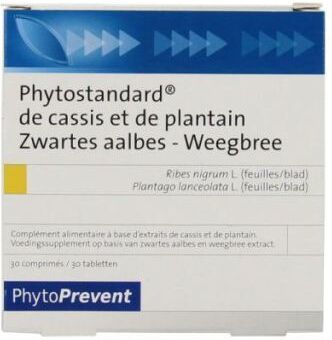
Pileje Phytostandard blackcurrant plantain 30 tablets dietaryNutrition and Supplements Natural Extracts Pileje Phytostandard blackcurrant plantain 30 tablets dietary Product to help protect cells against oxidative stress. Content:30 Tablets.18,65 £*Shipping: 3,99 £Secure redirect to the provider
-
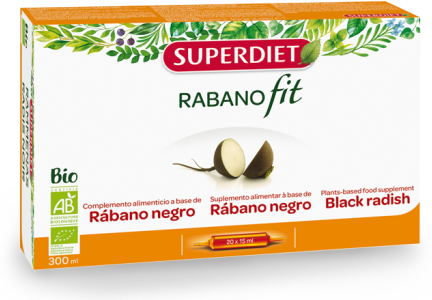
Superdiet Rabanofit (Black Radish) Bio 20 ampoulesNutrition and Supplements Special supplements Superdiet Rabanofit (Black Radish) Bio 20 ampoules A root characterized by its white flesh wrapped in a black skin and its distinctive flavor, black radish is a vegetable that has been traditionally used for centuries. It is also known as "winter radish" due to its late harvest during the autumn months. The first extraction of our pure juice took place in 1973. Grown in Normandy and northern France according to organic farming standards, black radish is harvested and cold-pressed upon arrival at our facilities: this way, our equipment guarantees you a pure organic juice. SUPERDIET Laboratories black radish is a testament to authentic expertise. This pure Superdiet juice is produced in our laboratory workshops using our proven extraction method for over 50 years: cold extraction. OUR USAGE TIPS: Take 1 ampoule a day pure or diluted in half a glass of water.11,56 £*Shipping: 3,99 £Secure redirect to the provider

-
Can hamsters eat radish leaves?
Yes, hamsters can eat radish leaves in moderation. Radish leaves are safe for hamsters to consume and can provide them with essential nutrients like fiber, vitamins, and minerals. However, it is important to thoroughly wash the radish leaves to remove any pesticides or chemicals before feeding them to your hamster. Additionally, make sure to introduce radish leaves gradually into your hamster's diet to prevent any digestive issues. **
-
How do you peel a radish?
To peel a radish, start by washing it thoroughly under running water to remove any dirt or debris. Next, use a vegetable peeler to peel off the outer skin of the radish. If the skin is tough or thick, you may need to peel it off in a few passes. Once the skin is removed, you can slice, chop, or grate the radish as desired for your recipe. **
-
Are the radish leaves nibbled on?
Yes, radish leaves are often nibbled on by insects such as caterpillars, beetles, and slugs. These pests can cause damage to the leaves by eating holes in them or consuming large portions of the foliage. It is important to monitor radish plants for signs of pest damage and take appropriate measures to control the infestation, such as using organic insecticides or hand-picking the pests. **
-
What is the color of the radish?
The color of a radish can vary depending on the variety. Common radish colors include red, pink, white, and purple. The most familiar color is bright red, but there are also radishes with a white exterior and a pink interior. Some varieties may even have a two-tone coloration. **

Can you eat the entire radish plant?
Yes, you can eat the entire radish plant. The roots are the most commonly consumed part of the plant, but the leaves are also edible and can be used in salads or cooked like other leafy greens. The leaves have a slightly peppery flavor similar to the roots. Eating the entire plant is a great way to reduce food waste and maximize the nutritional benefits of radishes. **
Can the entire radish plant be eaten?
Yes, the entire radish plant is edible. The roots are the most commonly consumed part of the plant, but the leaves and stems are also edible and can be used in salads, stir-fries, or as a garnish. Radish leaves have a slightly peppery taste similar to arugula, while the stems are crunchy and have a mild radish flavor. Eating the whole plant can help reduce food waste and provide a variety of flavors and textures to dishes. **
Top-Angebote
Products related to Pileje-Phytostandard-black-radish:
-
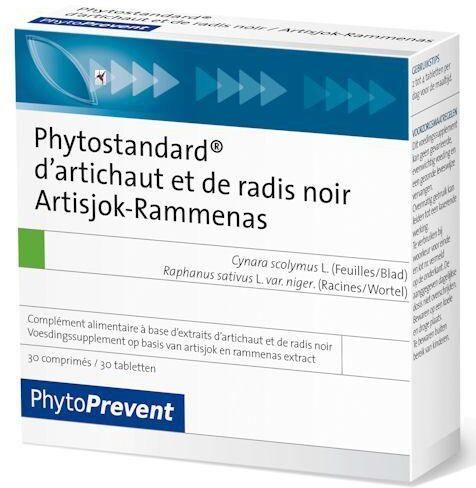
Pileje Phytostandard black radish artichoke 30 ml 30 mlNutrition and Supplements Natural Extracts Pileje Phytostandard black radish artichoke 30 ml 30 ml Individualised clinical phytotherapy is the result of thousands of years of medicinal use of plants, combining a scientific knowledge of plants and their main active ingredients with a knowledge of their regulatory action on physiological problems. Individualised clinical phytotherapy has developed over the last few years thanks to a major technological innovation: fresh standardised plant extracts (SPE). PhytoPrevent developed an expertise in the extraction, the selection and the quality of the compounds of plants.17,41 £*Shipping: 3,99 £Secure redirect to the provider
-
Pileje Phytostandard cypress echinacea 30 tabletsNutrition and Supplements Natural Extracts Pileje Phytostandard cypress echinacea 30 tablets Individualised clinical phytotherapy is the result of thousands of years of medicinal use of plants, combining a scientific knowledge of plants and their mainactive ingredientswith a knowledge of their regulatory action on physiological problems. Individualised clinical phytotherapy has developed over the last few years thanks to a major technological innovation:fresh standardised plant extracts (SPE). PhytoPrevent developed an expertise in the extraction, the selection and thequality of the compounds of plants.14,73 £*Shipping: 3,99 £Secure redirect to the provider
-
Pileje Phytostandard blackcurrant plantain 30 tablets dietaryNutrition and Supplements Natural Extracts Pileje Phytostandard blackcurrant plantain 30 tablets dietary Product to help protect cells against oxidative stress. Content:30 Tablets.18,65 £*Shipping: 3,99 £Secure redirect to the provider
-
Is kohlrabi also radish?
No, kohlrabi is not the same as radish. While they both belong to the Brassicaceae family, kohlrabi is a cultivar of the cabbage species, Brassica oleracea, and is known for its bulbous stem that is often eaten raw or cooked. Radish, on the other hand, is a different species, Raphanus sativus, and is known for its small, round root that is commonly used in salads or as a garnish. Despite some similarities in appearance, kohlrabi and radish are distinct vegetables with different flavors and culinary uses. **
-
Why is radish crying?
Radish is crying because it feels left out and unappreciated. It sees the other vegetables being used in various dishes and feels like it doesn't have a purpose. Radish's tears are a way of expressing its emotions and seeking attention from the other vegetables. It hopes that someone will notice its potential and include it in a delicious recipe. **
-
Can hamsters eat radish leaves?
Yes, hamsters can eat radish leaves in moderation. Radish leaves are safe for hamsters to consume and can provide them with essential nutrients like fiber, vitamins, and minerals. However, it is important to thoroughly wash the radish leaves to remove any pesticides or chemicals before feeding them to your hamster. Additionally, make sure to introduce radish leaves gradually into your hamster's diet to prevent any digestive issues. **
-
How do you peel a radish?
To peel a radish, start by washing it thoroughly under running water to remove any dirt or debris. Next, use a vegetable peeler to peel off the outer skin of the radish. If the skin is tough or thick, you may need to peel it off in a few passes. Once the skin is removed, you can slice, chop, or grate the radish as desired for your recipe. **
Similar search terms for Pileje-Phytostandard-black-radish
-
Superdiet Rabanofit (Black Radish) Bio 20 ampoulesNutrition and Supplements Special supplements Superdiet Rabanofit (Black Radish) Bio 20 ampoules A root characterized by its white flesh wrapped in a black skin and its distinctive flavor, black radish is a vegetable that has been traditionally used for centuries. It is also known as "winter radish" due to its late harvest during the autumn months. The first extraction of our pure juice took place in 1973. Grown in Normandy and northern France according to organic farming standards, black radish is harvested and cold-pressed upon arrival at our facilities: this way, our equipment guarantees you a pure organic juice. SUPERDIET Laboratories black radish is a testament to authentic expertise. This pure Superdiet juice is produced in our laboratory workshops using our proven extraction method for over 50 years: cold extraction. OUR USAGE TIPS: Take 1 ampoule a day pure or diluted in half a glass of water.11,56 £*Shipping: 3,99 £Secure redirect to the provider
-
Superdiet Black Radish Artichoke Bio 80 Tablets 80Nutrition and Supplements Natural Extracts Superdiet Black Radish Artichoke Bio 80 Tablets 80 The artichoke is recognized for its contribution to liver health. It is associated with black radish, a root that has been traditionally used for centuries: a formula of plant extracts and powder, products from organic farming. OUR USAGE TIPS: 4 tablets a day.18,21 £*Shipping: 3,99 £Secure redirect to the provider
-
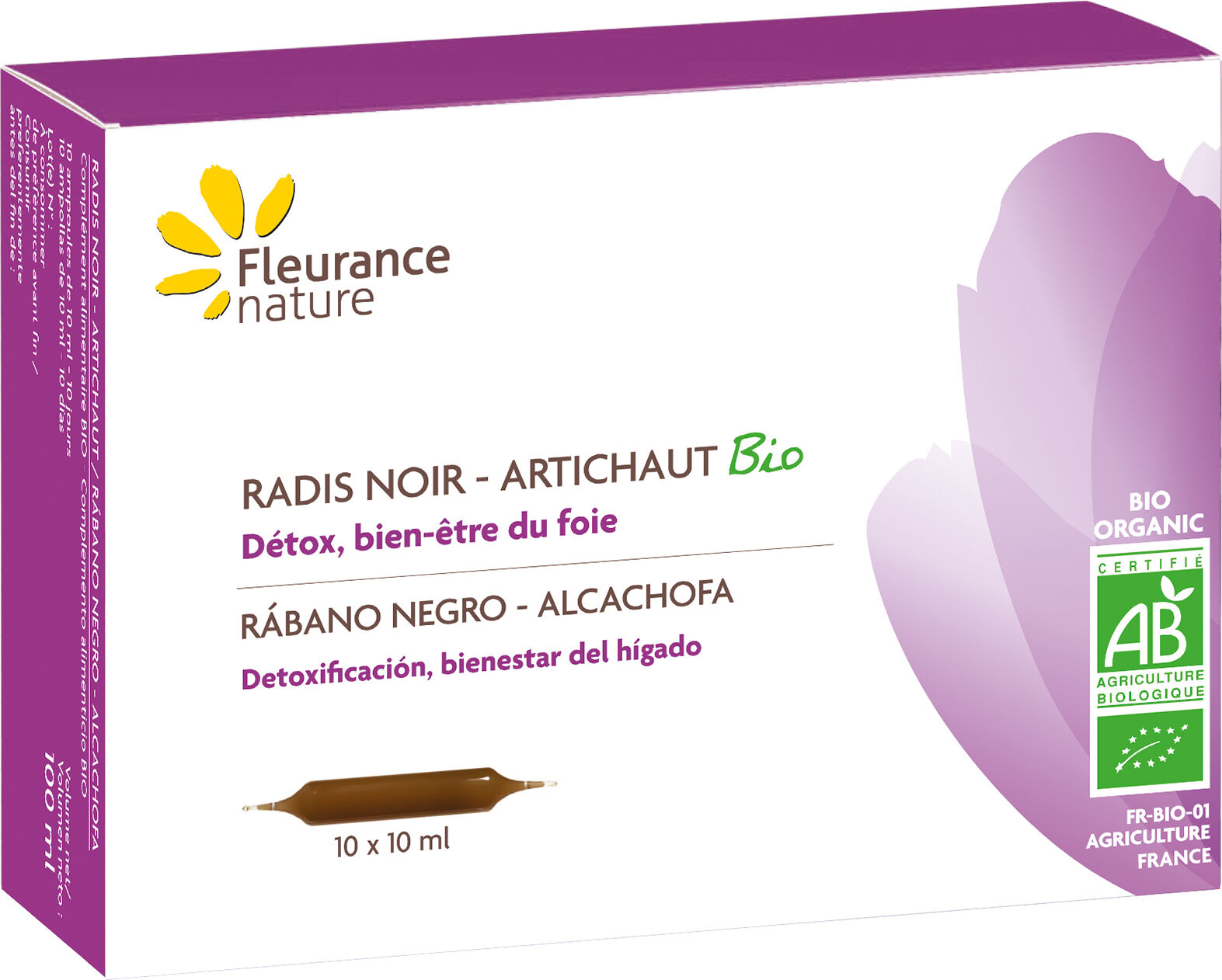
Fleurance Nature Black Radish Artichoke Bio in AmpoulesNutrition and Supplements Natural Extracts Fleurance Nature Black Radish Artichoke Bio in Ampoules Detox and well-being of the liver: -Eco-friendly formula with optimal dose -To eliminate and purify -Ideal in the changes of season -Black radish and artichoke grown in France Formula with optimal dose: 1 ampoule provides 1,500 mg of black radish juice, that is the equivalent of 3,000 mg of fresh black radish and 1,000 mg of artichoke leaf extract, that is, the equivalent of 5,000 mg of dried plants. The black radish and artichoke come from French organic farming. The pineapple juice flavors the formula to give it a pleasant flavor. THE PLANTS Black radish Generally cylindrical in shape with black or purple skin and white flesh with a characteristic spicy flavor. Present in the stalls only in winter, consumption in the form of a food supplement allows it to provide its benefits throughout the year. Artichoke It belongs to the same family as thistle; Its leaves as well as its bracts contain interesting active ingredients: cynarin and potassium. Its constituents give it a liquid elimination action. Therefore, artichoke is traditionally used for its beneficial effect on digestion and elimination. How to use: Box of 10 ampoules 10 days - 1 amp / day Take for 1 month at each change of season Keep out of the reach of children8,79 £*Shipping: 3,99 £Secure redirect to the provider
-
Are the radish leaves nibbled on?
Yes, radish leaves are often nibbled on by insects such as caterpillars, beetles, and slugs. These pests can cause damage to the leaves by eating holes in them or consuming large portions of the foliage. It is important to monitor radish plants for signs of pest damage and take appropriate measures to control the infestation, such as using organic insecticides or hand-picking the pests. **
-
What is the color of the radish?
The color of a radish can vary depending on the variety. Common radish colors include red, pink, white, and purple. The most familiar color is bright red, but there are also radishes with a white exterior and a pink interior. Some varieties may even have a two-tone coloration. **
-
Can you eat the entire radish plant?
Yes, you can eat the entire radish plant. The roots are the most commonly consumed part of the plant, but the leaves are also edible and can be used in salads or cooked like other leafy greens. The leaves have a slightly peppery flavor similar to the roots. Eating the entire plant is a great way to reduce food waste and maximize the nutritional benefits of radishes. **
-
Can the entire radish plant be eaten?
Yes, the entire radish plant is edible. The roots are the most commonly consumed part of the plant, but the leaves and stems are also edible and can be used in salads, stir-fries, or as a garnish. Radish leaves have a slightly peppery taste similar to arugula, while the stems are crunchy and have a mild radish flavor. Eating the whole plant can help reduce food waste and provide a variety of flavors and textures to dishes. **
* All prices are inclusive of VAT and, if applicable, plus shipping costs. The offer information is based on the details provided by the respective shop and is updated through automated processes. Real-time updates do not occur, so deviations can occur in individual cases. ** Note: Parts of this content were created by AI.